

How to Value Your Trading Card Collection in 2026
, 30 min reading time
, 30 min reading time
Learn how to use the TCGplayer price guide to accurately value your trading cards in 2026. Master price trends, condition grading, and smart buying strategies.
Whether you're selling cards from your childhood collection or trying to determine if that fresh pull from your latest booster pack is worth anything, understanding how to accurately value trading cards is essential. The TCGplayer price guide has become the industry standard for card valuation, trusted by collectors, players, and dealers worldwide. This comprehensive guide will walk you through everything you need to know about using TCGplayer's pricing tools to make informed decisions about your collection.
The TCGplayer price guide is a real-time pricing database that tracks the market value of millions of trading cards across popular games including Magic: The Gathering, Pokemon, Yu-Gi-Oh, and dozens of other collectible card games. Unlike static price lists that quickly become outdated, TCGplayer's pricing reflects actual marketplace activity, pulling data directly from completed sales on their platform.
What makes this price guide particularly valuable is its transparency. The platform doesn't just show you a single price point but rather provides multiple pricing metrics that help you understand the full picture of a card's value. You'll see the market price, which represents the average selling price over recent transactions, along with the lowest available listing and median price. This multi-faceted approach gives you the context needed to make smart buying and selling decisions.
The price guide covers every major trading card game and even extends to sports cards and other collectibles. For Pokemon collectors, you can track prices from Base Set Charizards to the latest Scarlet and Violet releases. Magic players can research everything from Black Lotus values to commons from the newest set. This breadth of coverage has made TCGplayer the go-to resource when anyone asks "what's this card worth?"
Getting started with the TCGplayer price guide is straightforward and doesn't require an account, though creating one unlocks additional features. Simply navigate to the TCGplayer website and use the search bar at the top of the page. You can search by card name, set name, or even browse by game category.
When you search for a specific card, you'll land on the product page which serves as your pricing hub. The first thing you'll notice is the market price prominently displayed near the top. This figure is calculated using a weighted average of recent sales, giving more importance to newer transactions. Below this, you'll find the listed median price, which shows you the middle point of all current listings, and the lowest price available from verified sellers.
The price guide becomes even more powerful when you understand how to interpret the pricing graph. Click on any card to see its price history over time, displayed as an interactive chart. You can adjust the timeframe from seven days to all time, allowing you to spot trends, identify spikes related to tournament results or set rotations, and determine whether a card's current price represents a good value or an inflated bubble.
For physical card collectors, pay close attention to the condition filters. TCGplayer uses a standardized condition scale ranging from Near Mint to Heavily Played, and prices can vary dramatically between conditions. A Near Mint rare might sell for three times the price of the same card in Played condition. Always make sure you're comparing prices within the same condition category to get accurate valuations.
The TCGplayer price guide doesn't just give you one number and send you on your way. Understanding the difference between market price, median price, and lowest listing is crucial for making informed decisions about when to buy or sell.
Market price represents what cards are actually selling for, not just what sellers are asking. This metric is calculated by analysing completed transactions over a recent period, typically weighted toward the past few weeks. When you see a market price of twenty dollars, it means that's approximately what people have been paying for this card in real transactions. This is generally the most reliable indicator of true value.
The median price shows you the middle point of all current listings on the marketplace. If there are one hundred sellers offering a particular card, the median price would be the fiftieth listing when sorted by price. This metric helps you understand the general asking price across the market, though it doesn't necessarily reflect what buyers are actually willing to pay.
Lowest price is exactly what it sounds like, the cheapest available copy from a verified seller. This can be useful when you're looking to buy and want the best deal, but be cautious. Sometimes the lowest price comes from a seller with poor ratings or represents a heavily played copy while the median listings are near mint. Always check the details before assuming the lowest price is the best value.
The relationship between these price points tells you a lot about market dynamics. If the market price is significantly higher than the median listing price, it suggests strong demand and cards selling quickly. Conversely, if the market price is well below the median, sellers may be overpricing their inventory and you might have room to negotiate or wait for price drops.
One of the most valuable features of the TCGplayer price guide is the historical price data that helps you identify trends and make strategic decisions about buying, selling, or holding cards.
When you're considering purchasing a card, especially a more expensive one, checking the price history can save you from buying at the peak of a hype cycle. Cards often spike in price following major tournament wins, YouTuber features, or when they become key pieces in newly discovered deck strategies. These spikes frequently correct within weeks or months as supply catches up with demand. By examining the six-month or one-year price chart, you can see whether a card's current price represents a sustainable new level or a temporary surge.
For sellers, timing the market using price trends can significantly impact your returns. If you notice a card has been steadily climbing over several months, you might choose to hold a bit longer to maximize profit. Alternatively, if you see a sharp spike that appears disconnected from the card's historical range, that might signal the perfect moment to sell before the inevitable correction.
Seasonal trends also play a major role in trading card prices. Magic cards often see price increases in the weeks leading up to major tournaments and set rotations. Pokemon cards spike around the holidays when gift-giving drives demand for popular cards and sealed products. Understanding these patterns through historical price data allows you to anticipate market movements rather than simply reacting to them.
The price guide also helps you identify undervalued cards before the market catches on. By comparing similar cards across different sets or looking at price disparities between functionally similar cards, you can spot opportunities. For example, if a Magic card from an older set does the same thing as a newly released card but costs half as much, that price gap might not last once players discover the budget alternative.
Card condition has an enormous impact on value, and TCGplayer has established the industry standard for condition grading. Understanding these grades is essential for accurate pricing whether you're buying or selling.
Near Mint represents cards that look like they came straight from a pack to a protective sleeve. These cards show no visible wear, no scratches on the surface, and perfectly sharp corners. Only the slightest manufacturing imperfections are acceptable for this grade. Near Mint commands the highest prices and is the default expectation for modern cards from recent sets.
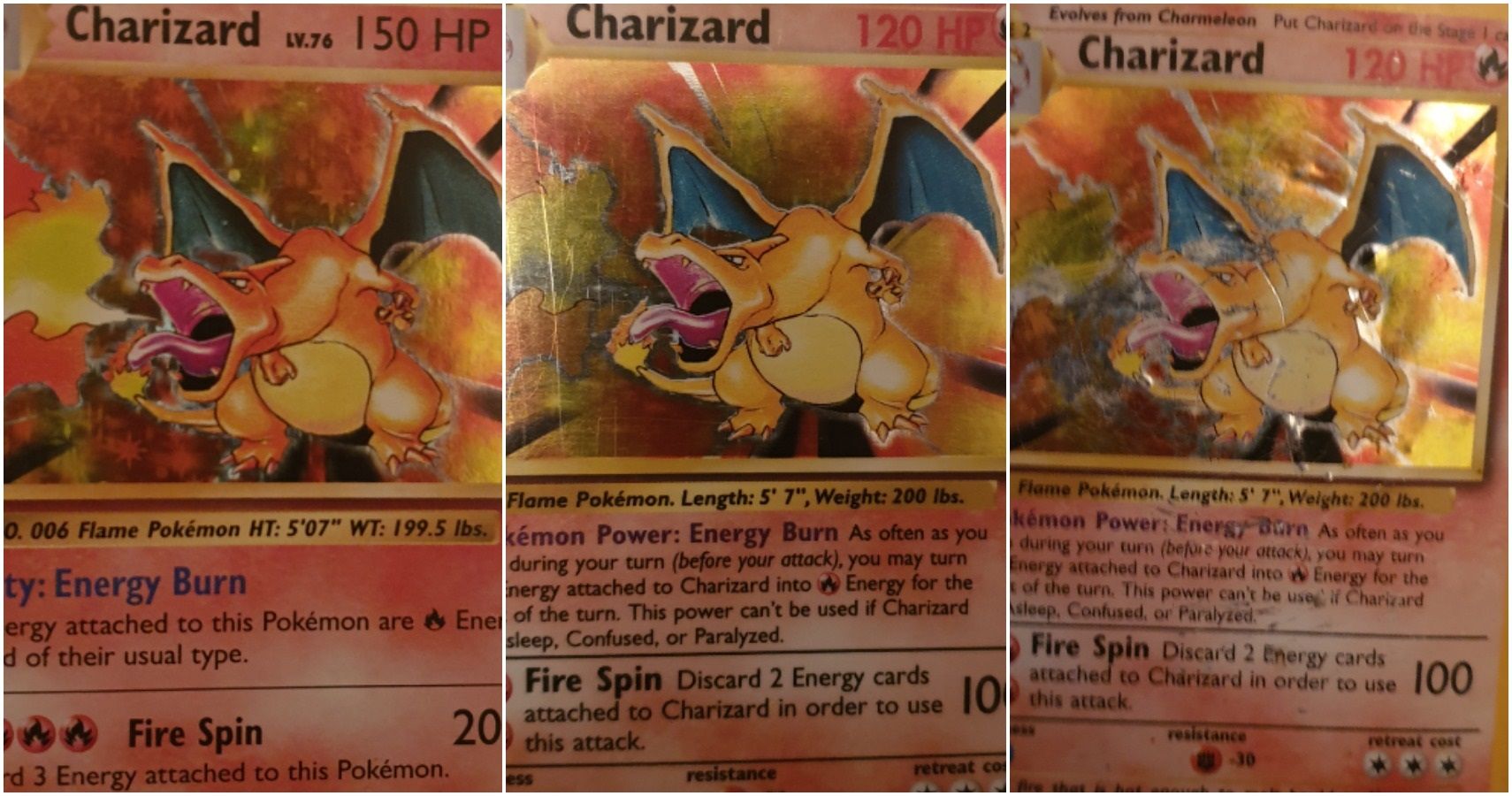
Lightly Played cards show minor signs of wear that are only visible upon close inspection. This might include slight edge whitening, minor scratches visible under certain light, or very slight corner wear. Many players find Lightly Played cards perfectly acceptable for tournament play at a discount compared to Near Mint prices. The typical price reduction ranges from ten to thirty percent depending on the card.
Moderately Played cards have noticeable wear that's visible at a glance. Expect to see border whitening, surface scratches, corner damage, or minor creasing. These cards are fully playable in sleeves but clearly show their age or use. Moderate Play conditions often sell for forty to sixty percent of Near Mint value, making them attractive for budget players who prioritize functionality over collector condition.
Heavily Played represents the bottom tier of still-playable cards. Major creasing, significant border wear, surface damage, or other substantial defects place cards in this category. While tournament legal when sleeved, these cards are generally only attractive to budget players or those who plan to alter or customize cards. Heavily Played copies might sell for thirty percent or less of the Near Mint price.
When using the TCGplayer price guide, always filter for your card's actual condition. The default prices shown are typically for Near Mint copies, so if your card shows any wear, you'll need to adjust your expectations accordingly. The platform's condition guide includes photo examples that can help you accurately assess your cards.
Once a card has been professionally graded and sealed in a slab, the grade matters far more than the raw price guide. Two copies of the same card can sell for wildly different amounts depending on the number on the label, so it pays to understand the tiers before you value a graded card or decide whether to submit one.
| Grade | Typical label | What it means | Effect on value |
|---|---|---|---|
| 10 | Gem Mint (PSA, ACE, CGC) / Pristine 10 (CGC, Beckett) | Sharp corners, clean edges, strong centring and a flawless surface under magnification. | The top tier. For modern chase cards, a 10 often sells for several times the price of a 9. |
| 9.5 | Gem Mint 9.5 (Beckett, CGC) | Half grades used by Beckett and CGC; very close to perfect. | Usually sits between a 9 and a 10 in price. |
| 9 | Mint | One very minor flaw, such as slightly off-centre printing or a tiny edge mark. | Often a fraction of a 10, but still a solid premium over raw for popular cards. |
| 8 | Near Mint–Mint | Minor wear visible on close inspection. | For many modern cards, close to the price of a raw Near Mint copy once grading costs are counted. |
| 7 and below | Near Mint and lower | Visible whitening, scratches, creases or print lines. | Mainly worthwhile for vintage cards and high-demand Pokémon where any graded copy is sought after. |
The grading company matters too. A PSA 10, an ACE 10 and a CGC 10 of the same card will rarely sell for the same price, so always compare sold listings for the same company and the same grade. Beckett Black Label 10s and CGC Pristine 10s sit above a standard 10 and are priced separately.
Factor in the cost of grading. Submission fees, insured postage both ways and turnaround times all eat into the uplift. Only grade a card when the expected graded value clearly beats its raw value after those costs (see Example 2 below). You can browse our graded Pokémon cards to see how different grades and companies are priced.
While TCGplayer has become the dominant price reference in North America, understanding how its prices compare to other marketplaces gives you a more complete picture of card values and helps you find the best deals.
eBay represents the wild west of card pricing with completed auction data offering another perspective on market value. eBay sold listings can be particularly useful for rare, high-value cards that don't change hands frequently on TCGplayer. However, eBay prices can be inflated by auction bidding wars or deflated by sellers desperate for quick sales. Use eBay as a secondary reference point rather than your primary pricing source.
CardMarket, also known as Magiccardmarket, dominates the European trading card market and often shows different price trends than TCGplayer due to regional supply and demand variations. Cards that are popular in European tournament formats might command premiums on CardMarket while being cheaper on TCGplayer, and vice versa. For valuable cards, checking both platforms can reveal arbitrage opportunities for international sellers.
Local game stores often price cards using TCGplayer as a baseline but apply different margins depending on their business model. Some stores price at or below TCGplayer median to move inventory quickly, while others add premiums for the convenience of immediate availability and the ability to inspect cards in person before purchase. When buying from local stores, bringing up TCGplayer prices during negotiation is generally acceptable and expected.
Facebook groups and Discord communities sometimes offer better deals than marketplace prices because they eliminate seller fees and platform cuts. However, these peer-to-peer transactions carry additional risk and lack buyer protection. Use TCGplayer prices as your reference point when negotiating direct trades, typically offering slightly below market price to account for the convenience and speed of the transaction.
Beyond the basic price guide, TCGplayer offers several advanced tools that serious collectors and dealers should know about to maximize the platform's value.
The TCGplayer app brings mobile convenience to price checking, allowing you to scan cards using your phone's camera to instantly pull up pricing information. This is invaluable when you're at a local game store, card show, or garage sale and need to quickly assess whether something is worth purchasing. The app also includes collection tracking features that let you maintain an inventory of your cards with real-time value updates.
Collection tracking goes beyond simple organization by showing you the total value of your portfolio over time. Import your collection either by manually adding cards or by scanning them with the app, and TCGplayer will calculate your total holdings value based on current market prices. The platform updates these values automatically, so you can watch your collection appreciate or depreciate without manually checking individual card prices.
Mass entry tools are essential for sellers listing large quantities of cards. Rather than creating individual listings for each card, you can build a spreadsheet with your inventory and upload it all at once. The system automatically pulls current pricing and creates optimized listings. This saves enormous amounts of time for dealers moving significant volume.
Price alerts allow you to set notifications for specific cards when they hit your target price. Whether you're waiting for a card to drop before buying or watching for a spike to sell into, these alerts help you catch opportunities without constantly monitoring prices. You can set alerts based on percentage changes or specific dollar thresholds.
The TCGplayer Infinite subscription service, while separate from the basic price guide, provides enhanced analytics including price predictions, market insights, and exclusive articles about card finance. For serious investors treating cards as an asset class, the subscription can provide edge through better market intelligence.
Even experienced collectors sometimes misinterpret price guide data or make errors that cost them money. Avoiding these common pitfalls will help you get more accurate valuations.
One frequent mistake is failing to account for different set printings and versions of the same card. Many cards have been reprinted across multiple sets, and these versions can have drastically different values. A Black Lotus from Alpha has a completely different price than a Beta printing, and both are worlds apart from the reprints in products like 30th Anniversary Edition. Always verify you're looking at the correct set and variation before assuming a price.
Ignoring the number of sellers and available inventory when evaluating prices is another error. A card might show a high market price, but if only two sellers have listed it in the past month and there's no current inventory, that price isn't meaningful. Look at the depth of the market by checking how many active listings exist and whether the card sells regularly or sits stagnant.
Confusing foil and non-foil prices creates problems for both buyers and sellers. The default price shown often represents the standard version, while foil, full-art, alternate-art, or other special treatments command different prices. Some cards are worth more in foil, while others surprisingly sell for less due to playability concerns about marked cards in tournaments. Always double-check which version you're pricing.
Relying solely on market price without considering the spread between median and lowest price can lead to unrealistic expectations. If you're trying to sell quickly, expecting to get full market price is often unrealistic when dozens of sellers are listing below that threshold. Conversely, if you're buying, focusing only on the lowest price without checking seller reputation or card condition might lead to disappointment.
Forgetting that prices fluctuate based on tournament results and metagame shifts means you might buy or sell at the worst possible time. A card that's hot today because it won a major tournament might crash next week when the meta adapts. Use the price history graph to understand context before making significant purchases or sales.
While the underlying TCGplayer price guide mechanics work similarly across games, each major trading card game has unique factors that affect how you should interpret pricing data.
Magic: The Gathering prices are heavily influenced by format legality and competitive play. Cards legal in Modern or Pioneer formats often carry premiums over those restricted to Legacy or Vintage, despite the latter being older and rarer. When pricing Magic cards, check what formats they're legal in and whether they're seeing competitive play. The Reserved List also creates artificial scarcity for certain cards, leading to steady price appreciation regardless of playability.
Pokemon card pricing splits dramatically between competitive players and collectors. Competitive staples from recent sets might see high prices while they're tournament relevant, then crash upon rotation. Meanwhile, vintage cards from the Wizards of the Coast era and modern alternate-art cards can command huge premiums based purely on collector demand. When using the price guide for Pokemon, consider whether the card's value is driven by playability or collectibility, as these markets behave very differently.
Yu-Gi-Oh prices are notoriously volatile due to the game's aggressive ban list and fast-moving metagame. A card can go from fifty dollars to five dollars overnight if it gets banned or if a new release makes it obsolete. The TCGplayer price history is particularly valuable for Yu-Gi-Oh because it helps you identify these boom-bust cycles. Be extra cautious about buying into spikes, and consider selling sooner rather than later when you have a valuable meta card.
One Piece Card Game represents a newer market with less historical data but growing popularity. Prices for this game are still highly speculative and can swing wildly based on content creator hype and regional tournament results. When pricing One Piece cards, place less weight on short-term trends and focus on longer-term data as the market matures.
Sports cards on TCGplayer follow different rules than gaming cards, with rookie cards and autographs commanding premiums based on player performance and career trajectory. The price guide is useful for TCG-style sports products, but traditional sports cards might be better priced through dedicated sports card platforms.
Once you understand how to read the TCGplayer price guide, you can develop strategic approaches to selling your cards for maximum profit.
Competitive pricing requires understanding where to position your listings relative to the market. Pricing at the lowest available listing ensures fast sales but leaves money on the table. Instead, consider pricing slightly above the lowest but below the median, which positions you as a good value while maximizing returns. For high-demand cards that sell quickly, you can price closer to median or even market price and still move inventory.
Timing your listings around market cycles can significantly impact your final sale price. Cards tend to sell for more on weekends when casual buyers are browsing, and prices often spike on Friday evenings as players build decks for weekend tournaments. Conversely, listing during major set releases when everyone is focused on new cards might mean less attention on older singles.
Bulk optimization involves understanding which cards are worth selling individually versus including in bulk lots. The TCGplayer price guide helps you quickly identify cards worth more than a dollar or two that deserve individual listings, while everything below that threshold might be better sold as a bulk lot to save on listing fees and time.
Building reputation as a seller allows you to command prices at or above market median because buyers pay for reliability and fast shipping. The price guide shows you what people will pay, but top-rated sellers often achieve the higher end of the range while newer sellers need to discount to attract buyers despite lower ratings.
Consider the total selling experience when pricing, not just the card price. Offering combined shipping on multiple purchases, responding quickly to buyer questions, and shipping cards securely in toploaders can justify slightly higher prices than bare-bones sellers who provide minimal service.
The trading card market has evolved dramatically over the past decade, and understanding where pricing is headed helps you make better long-term decisions with your collection.
Digital integration is changing how people value and trade physical cards. As games like Magic: The Gathering Arena and Pokemon Trading Card Game Live grow in popularity, the relationship between physical and digital card values is becoming increasingly complex. Some players now view physical cards primarily as collectibles rather than game pieces, which could shift pricing dynamics toward condition and aesthetics over playability.
Grading and authentication services like PSA and BGS have become more prevalent in the trading card game space, previously dominated by sports cards. High-grade copies of iconic cards now command massive premiums over raw Near Mint copies. TCGplayer has begun incorporating graded card pricing into their system, recognizing that a PSA 10 Charizard is a fundamentally different product than a raw Near Mint copy, even if they're theoretically the same condition.
Increased investor interest has brought more money and volatility into the card market. Cards are increasingly viewed as alternative investments, with some collectors treating their portfolio like a stock market account. This financialization means price movements can be driven by investor sentiment and speculation rather than organic player demand, creating both opportunities and risks for those who understand market psychology.
TCGplayer's acquisition by eBay in 2022 has positioned the platform for potential integration with the world's largest marketplace, though how this will affect pricing and the user experience remains to be seen. The price guide may incorporate more eBay sales data, potentially creating a more comprehensive view of global card values.
Blockchain and NFT technology has been experimented with in the trading card space, though physical cards remain dominant. If digital ownership verification becomes standard, it could change how we think about card authenticity and condition, potentially making the pricing landscape even more complex.
The examples below show the method we use ourselves. The prices are illustrative, so always check live sold prices on the day you value your own cards.
Say you have a raw Near Mint card worth £40. Recent sold prices for the same card are £160 for a PSA 10, £65 for a PSA 9 and £45 for a PSA 8, and grading will cost around £30 including insured postage (check the current fee for your service level).
You have an ACE 10 of a popular modern card. PSA 10 copies have recently sold for around £120, but ACE 10 copies have sold for around £85. The ACE figure is the one that counts. Match the grading company and grade exactly, and use sold prices, not asking prices, because slabs are often listed well above what they actually sell for.
Most of a collection's value usually sits in a small number of cards, so spend your time on step 1. If you'd like a second opinion, see what Pokémon card buyers really look for when valuing your cards.
If you'd rather skip listing fees, postage risk and waiting around for buyers, we buy Pokémon and One Piece cards: singles, graded slabs, sealed products and whole collections. Here's how it works:
Get a free valuation of your Pokémon cards, or if you're in or near Wiltshire, bring your collection to our Pokémon card office in Trowbridge (visits by appointment).
How often does TCGplayer update prices? The price guide updates continuously as new sales data comes in, meaning the market price and lowest listing price can change multiple times per day for high-volume cards. For less frequently traded cards, you might see updates every few days or weeks as new sales occur.
Why is TCGplayer showing a different price than what I see on other sites? Different marketplaces have different buyer pools, seller bases, and fee structures that create price variations. TCGplayer prices reflect North American market dynamics and their specific user base. Regional differences, shipping costs, and platform fees all contribute to price variations across sites.
Can I trust the TCGplayer price guide for very old or rare cards? For cards with thin market data and infrequent sales, take price guide numbers as rough estimates rather than precise valuations. Very rare cards might show outdated prices if they haven't sold recently, or might not have enough data points to calculate meaningful averages. Check the price history to see when the last actual sale occurred.
Should I always try to sell at market price? Market price represents what cards have been selling for, but unless you're a top-rated seller with excellent service, you'll likely need to price below market price to compete. The median listing price often provides a more realistic target for most sellers.
How do I price cards that aren't in the TCGplayer database? Some extremely new cards, promotional items, or obscure releases might not have TCGplayer data yet. In these cases, search for comparable cards from the same set or rarity, check sold listings on eBay, or post in collector communities to gauge interest and value.
The TCGplayer price guide is more than just a tool for finding out what your cards are worth, it's a comprehensive market intelligence platform that empowers collectors, players, and dealers to make informed decisions. By understanding how to read price trends, interpret different pricing metrics, account for condition variations, and time your buying and selling decisions, you can significantly improve your results in the trading card marketplace.
Whether you're just starting to organize your old collection or you're a seasoned dealer moving thousands of cards monthly, the principles remain the same. Use multiple data points rather than relying on a single number, understand the context behind price movements, verify you're comparing equivalent items, and remember that the guide shows you what's happening in the market rather than dictating what should happen.
The trading card market will continue to evolve with new games, new players, and new technologies changing the landscape. By mastering the TCGplayer price guide today, you're building skills that will serve you well regardless of how the market transforms tomorrow. Start by looking up a few cards from your collection right now, explore their price histories, and begin developing your intuition for what drives card values in this fascinating intersection of gaming, collecting, and investment.


Subscribe to our emails