
What Pokémon Card Buyers Really Look For When Valuing Your Cards
, 5 min reading time
, 5 min reading time
Here’s the practical breakdown most of the market follows:

Condition often makes the difference between a £20 card and a £200 card.
Buyers inspect:
Corners – sharp vs rounded
Edges – any whitening or chipping
Surface – scratches, dents, print lines
Centering – how evenly the artwork is framed
Back of card – whitening here kills value fast
Cards are typically described as:
Mint / Near Mint
Lightly Played
Moderately Played
Heavily Played / Damaged
Even tiny flaws matter at higher price levels.
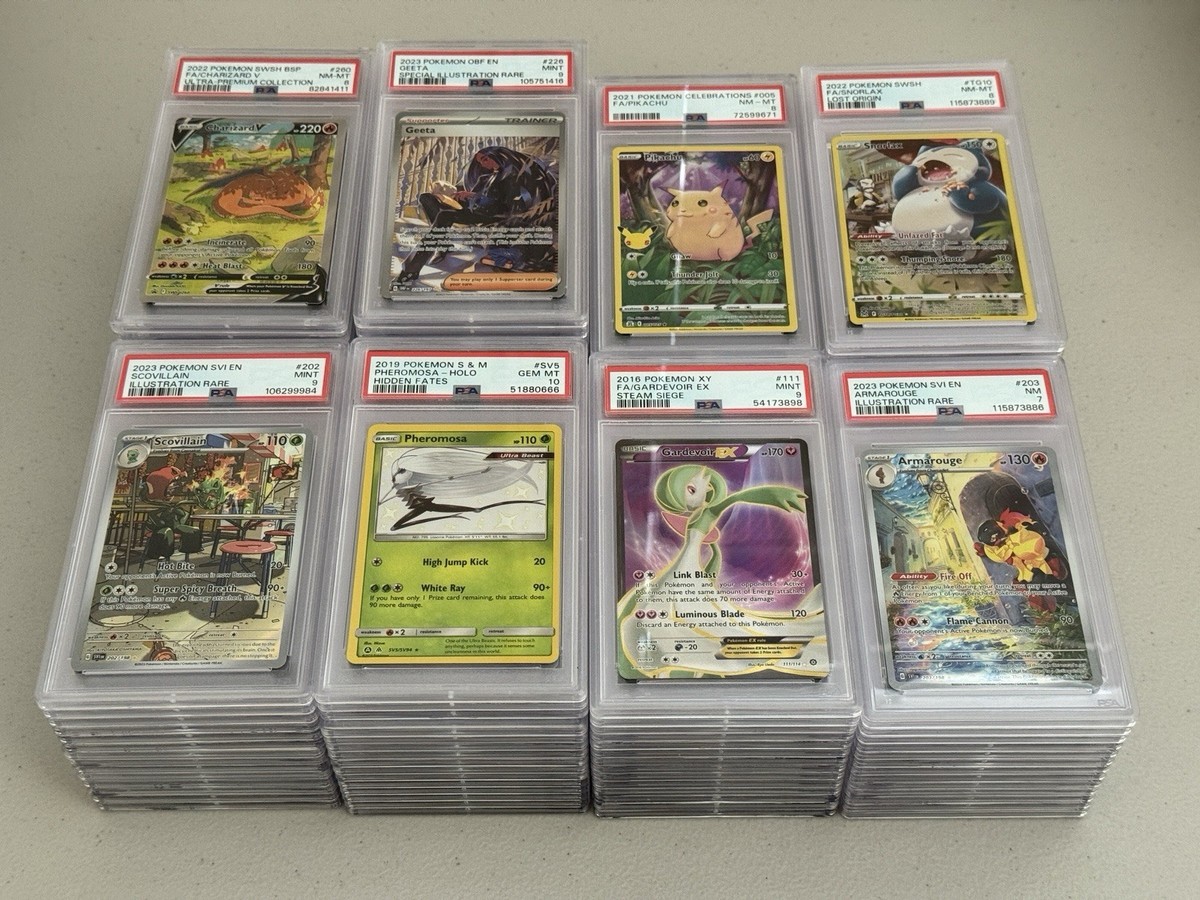
Graded cards are authenticated and assigned a score (usually 1–10), which removes guesswork.
The big names buyers trust:
A PSA 10 can be worth many times more than the same card raw or graded PSA 8.


Buyers pay premiums for:
First Edition cards
Secret Rares / Gold Stars
Vintage holos
Low population prints
Special promos
Classic examples include early sets and chase cards like Charizard.
(For context, Pokémon cards originate from the Pokémon franchise, but the TCG has its own collector economy.)
Some Pokémon simply sell better than others.
Top demand usually goes to:
Charizard
Pikachu
Mewtwo
Umbreon
Even if two cards are equally rare, the more popular Pokémon almost always wins on price.
Older cards—especially late-1990s / early-2000s—carry nostalgia and scarcity.
Buyers care about:
Original Base Set / early expansions
Print runs
Whether it’s from a famous set
How many graded copies exist (population reports)
Modern cards can be valuable, but vintage hits harder emotionally—and financially.
Fake Pokémon cards are common.
Serious buyers check:
Card stock thickness
Holo pattern
Font alignment
Color saturation
Light test
Graded cards bypass this concern since they’re authenticated.
Most Pokémon buyers mentally rank value like this:
Condition / Grade
Rarity
Popularity of the Pokémon
Age / Set
Market trends


Subscribe to our emails